(888) 655-8489
Services & About Adonai
Comprehensive Integrative Care Under One Clinical Philosophy
Adonai provides individualized naturopathic, integrative, functional, metabolic, and supportive therapies designed to complement each patient’s broader medical care.
Our Services
A comprehensive ecosystem of integrative care
Functional & Integrative Medicine
Systems-based assessment for complex and chronic health concerns.
Integrative Oncology
Complementary support across cancer treatment, recovery, and survivorship.
Precision Metabolic Medicine
Evaluation of glucose regulation, insulin resistance, nutrition, body composition, and metabolic risk.
Nutritional IV Therapy
Clinician-directed IV nutrient therapy selected according to medical appropriateness.
Acupuncture
Individualized acupuncture supporting symptom burden, stress, pain, and recovery.
Botanical & Nutritional Medicine
Targeted natural therapeutics selected with attention to medications and treatment context.
Mistletoe Therapy
Selected integrative oncology support when clinically appropriate.
Red Light & PEMF
Supportive restorative technologies incorporated according to individual need.
Survivorship Support
Nutrition, metabolic health, strength, GI support, sleep, and long-term wellbeing after cancer treatment.
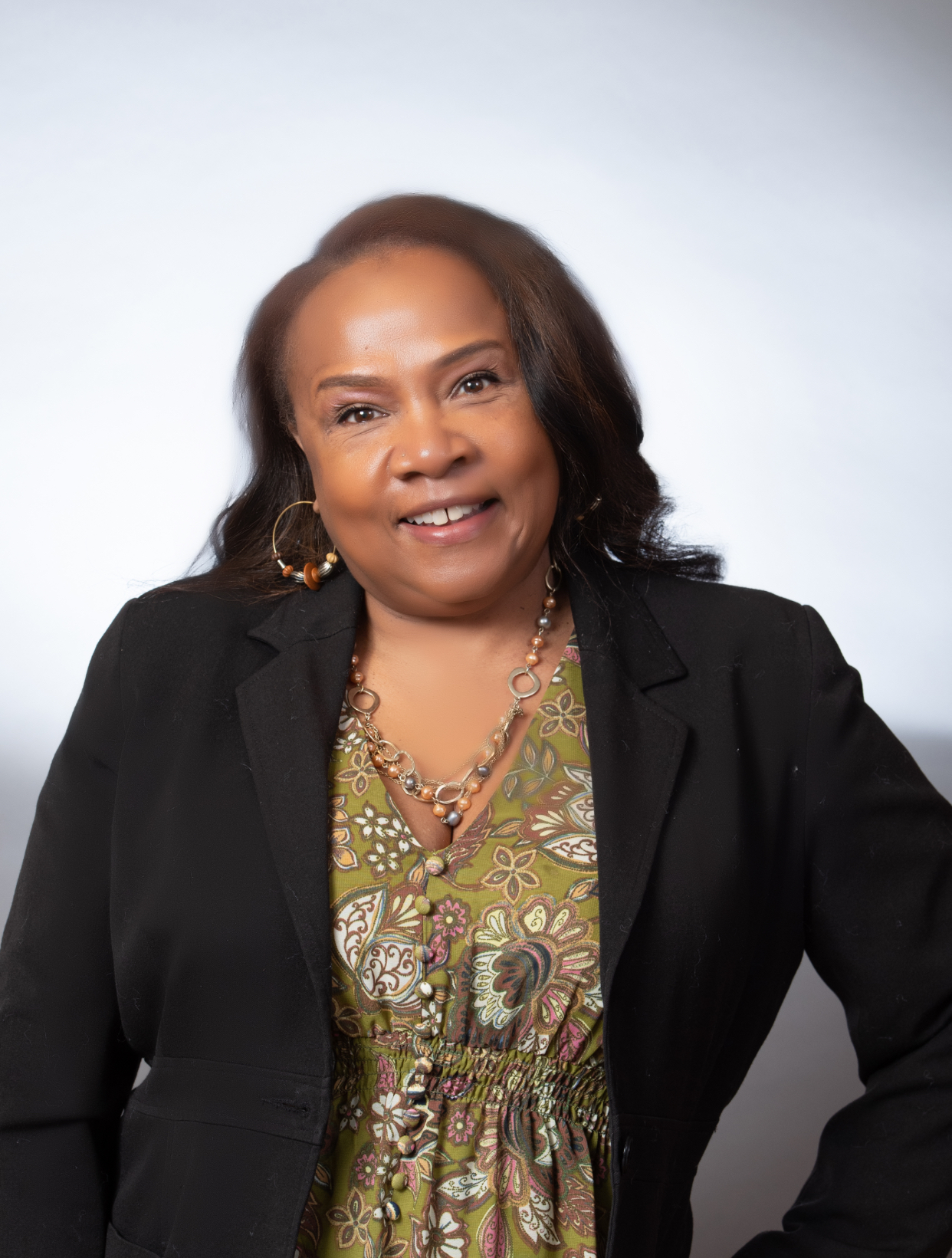
About Dr. Yvette Whitton
A whole-person approach grounded in clinical science.
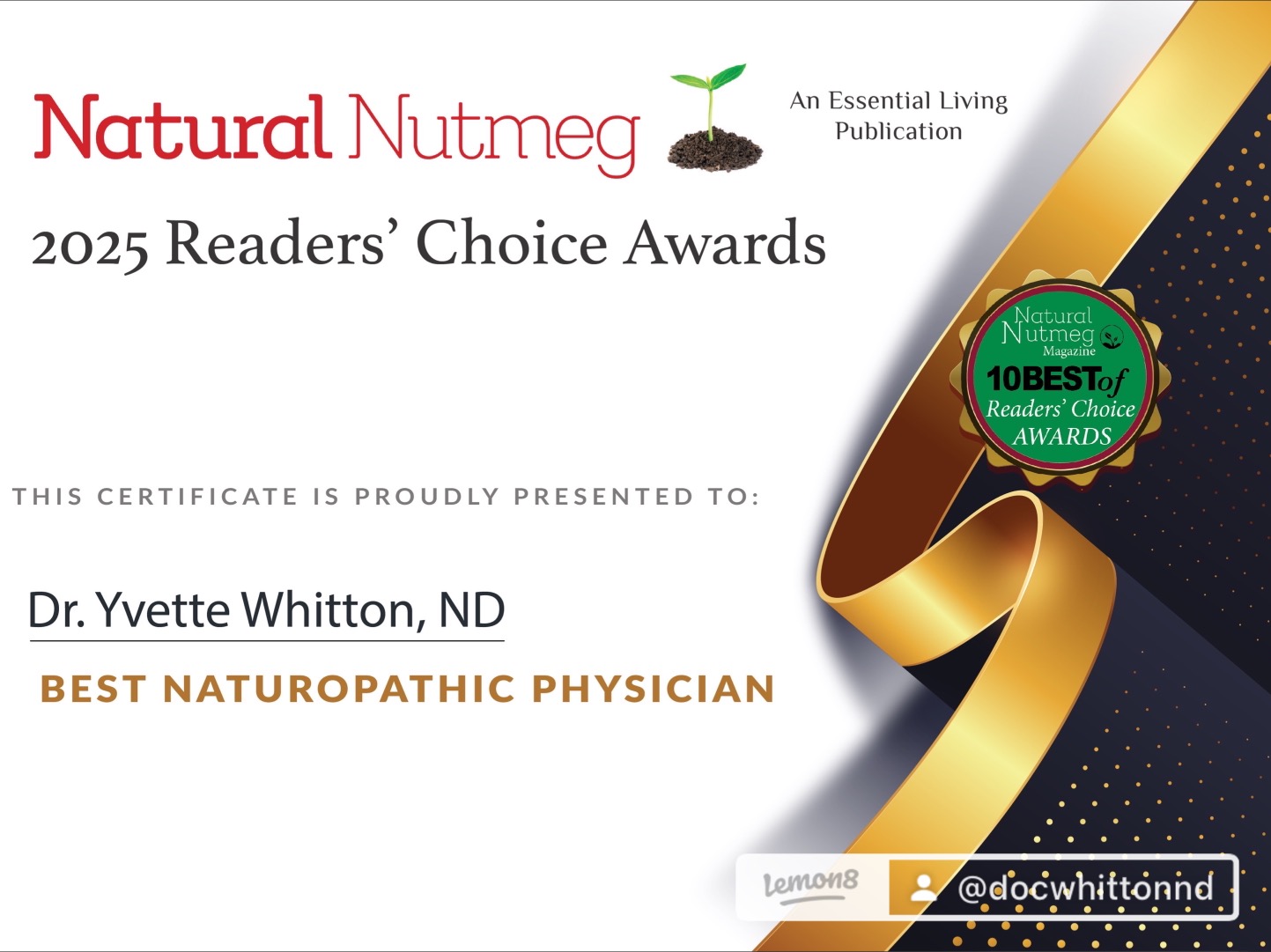
Dr. Yvette Whitton, ND, MS, FMACP, is a Connecticut-licensed naturopathic physician and Founder and Clinical Director of Adonai Optimal Health & Wellness. Her clinical focus includes integrative oncology, functional medicine, metabolic medicine, nutritional therapeutics, botanical medicine, and traditional Chinese medicine.
Advanced Training
- Metabolic terrain medicine
- Functional medicine
- Advanced mistletoe therapy
- Traditional Chinese medicine and acupuncture
- Nutritional therapeutics
- Botanical medicine
- Ozone and oxidative medicine
- Peptide medicine
Why Adonai Was Created
Compassion. Individualization. Clinical curiosity. Collaboration.
Dr. Whitton’s path into naturopathic oncology was profoundly influenced by her mother’s experience with metastatic pancreatic cancer. That experience reinforced the need for a model of care capable of supporting the person living with cancer, not simply addressing the disease.
Our Philosophy

